**Premium Fonts for Logos, Posters, Branding & More — Start Creating.**
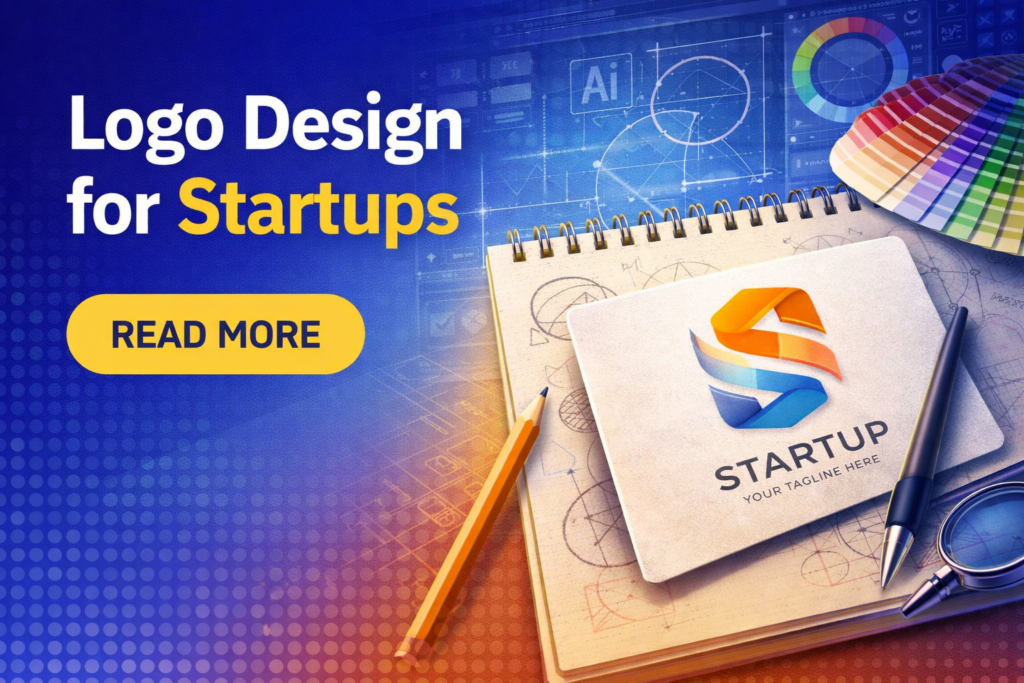
Logo design for startups plays a critical role in building a recognizable brand identity for new businesses. Starting a new business is exciting, but it also comes with many challenges. One of the biggest challenges startups face is building a strong brand identity that customers can recognize and trust.
A key part of that identity is logo design for startups.
A well-designed logo is more than just a graphic element. It represents your brand’s personality, communicates your values, and helps your business stand out in a crowded marketplace.
In this guide, we will explore how startups can create a powerful brand identity through strategic logo design.
For startups, first impressions are everything.
Customers often decide within seconds whether they trust a brand or not. A professional logo helps establish credibility and makes your business look serious and reliable.
A strong startup logo design helps:
• Build customer trust
• Improve brand recognition
• Support marketing campaigns
• Differentiate from competitors
• Increase perceived product value
Without a strong logo, even a great product may struggle to gain attention.
Branding is more than a logo.
Brand identity includes:
• Logo design
• Typography
• Color palette
• Visual style
• Brand messaging
However, the logo acts as the core element that ties everything together.
When startups invest in professional logo design for startups, they create a visual anchor that supports long-term brand growth.
Before designing a logo, startups must understand their brand.
Ask these questions:
• Who is your target audience?
• What problem does your product solve?
• What emotions should your brand evoke?
• How do you want your brand to be perceived?
A successful startup logo design reflects the answers to these questions.
Design without strategy leads to generic results.
Many new startups make the mistake of creating overly complicated logos.
The best logos are:
• Simple
• Memorable
• Versatile
• Easy to recognize
A simple design makes it easier for customers to remember your brand.
Think about major global brands — their logos are often minimal but instantly recognizable.
Typography plays a major role in logo design for startups.
The right font helps communicate your brand personality.
Examples:
Sans serif fonts → modern and clean
Serif fonts → elegant and traditional
Display fonts → bold and creative
Using the right typography makes your logo stronger and more distinctive.
If you are searching for fonts suitable for startup branding and logo design, you can explore premium branding fonts available at Ronny Studio. Choosing the right typeface can dramatically improve your brand identity.
Colors influence how customers perceive your business.
Color psychology in branding:
Blue → trust and professionalism
Black → luxury and authority
Red → energy and passion
Green → growth and sustainability
For startups, choosing the right color palette helps communicate brand values clearly.
Consistency is key. Your logo colors should match your website, marketing materials, and social media visuals.
Your logo must work in many situations.
Startup logos appear on:
• Websites
• Social media profiles
• App icons
• Business cards
• Packaging
• Advertisements
A professional startup logo design should look good both large and small.
Vector logo formats ensure your logo remains sharp in all sizes.
Design trends come and go quickly.
Many startups follow current design trends, only to realize their logo looks outdated within a few years.
Instead of trends, focus on timeless design principles.
Timeless logos remain relevant even as the market evolves.
Once a startup logo is created, consistency becomes critical.
Your logo should appear consistently across:
• Website design
• Social media content
• Marketing materials
• Packaging design
Consistency strengthens brand recognition and improves marketing performance.
The more customers see your logo, the more familiar your brand becomes.
Many startups make mistakes when designing their first logo.
Common mistakes include:
• Using generic free logo templates
• Choosing unreadable fonts
• Using too many colors
• Copying competitor designs
• Ignoring brand strategy
Avoiding these mistakes helps startups build a stronger brand foundation.
While DIY logo tools may seem attractive, they often produce generic designs.
Professional logo design for startups provides:
• Strategic brand thinking
• Unique visual identity
• Better scalability
• Stronger brand perception
Investing in professional design early can save startups from expensive rebranding later.
A strong logo is one of the most valuable assets a startup can have.
It builds recognition, communicates brand personality, and supports long-term marketing efforts.
By focusing on strategy, simplicity, typography, and consistency, startups can create logos that help them grow and compete effectively.
If you want your startup brand to stand out, start with a powerful logo design and the right branding tools.
Explore professional branding resources and creative fonts at Ronny Studio to help build a strong visual identity for your startup.